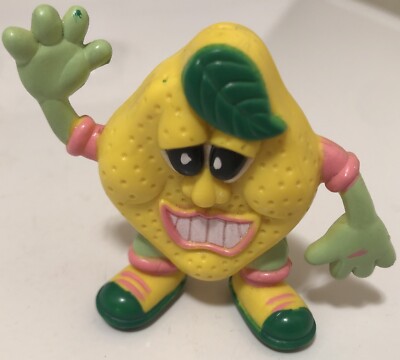
In the vibrant and ever-evolving world of infant toys, where flashing lights and electronic tunes often dominate the landscape, a surprising and delightful trend has taken root, bringing with it a burst of sunny, sensory joy. Imagine the scene: a soft, yellow, lemon-shaped toy, no larger than a baby’s hand, resting amid a collection of other fruit-inspired companions.
This is the heart of the Lemon Toy phenomenon sweeping across the United States. It’s not a complex gadget, but its simplicity is precisely why it has become a must-have in nurseries from coast to coast. Parents, increasingly savvy and intentional about their choices, are turning away from overstimulation and seeking out toys that offer pure, unadulterated developmental value wrapped in a charming, natural-themed package.
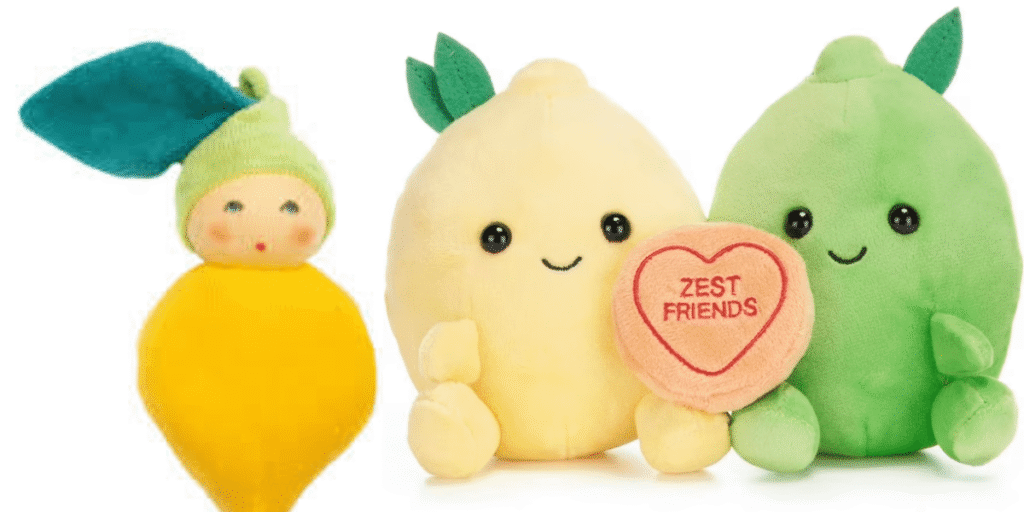
The Lemon Toy trend is fueled by searches for montessori toys, sensory toys for babies, wooden teething toys, and waldorf baby toys. At the core of this movement is a desire for toys made from natural materials like wood and silicone, designed to engage a baby’s senses without overwhelming them.
People love the Lemon Toy not just for its undeniable cuteness—though that is a significant factor—but for what it represents: a return to thoughtful, safe, and open-ended play. It’s a toy that doesn’t shout for attention but quietly earns it through its perfect weight, its gentle texture, and the countless ways a baby can discover it. In a bowl of wooden fruit, the lemon, with its bright color and distinctive shape, often becomes the star, offering a tiny, tangible piece of the natural world for a child to explore.
What Exactly is the Lemon Toy? Unpeeling the Concept
The Lemon Toy is typically a key component of a larger set of wooden fruit toys or montessori sensory toys. It is not usually a single, standalone product but part of a curated collection designed to mimic real fruits.
These toys are crafted with meticulous attention to detail, often from smooth, sanded beechwood or maplewood, and sometimes paired with food-grade silicone for added teething relief. The “lemon” itself is a small, oval-shaped wooden piece, painted in a cheerful, non-toxic yellow finish, perfectly sized for a baby’s grasping hands.
The magic of this toy lies in its authenticity to the principles of early childhood development philosophies like Montessori and Waldorf. It is an open-ended toy, meaning it has no single purpose or predetermined outcome. It doesn’t light up, it doesn’t talk, and it doesn’t require batteries. Its value is unlocked entirely by the child’s imagination and natural curiosity.
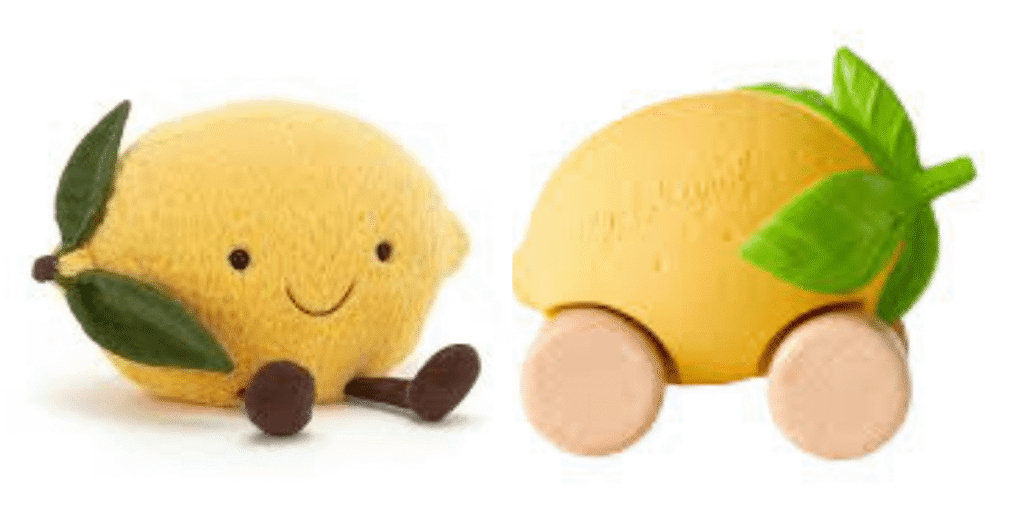
A baby isn’t told how to play with the lemon; they are free to discover its potential through their own experimentation. This shift from passive entertainment to active discovery is the revolutionary core of its appeal. Parents searching for montessori toys for 1 year old or educational baby toys are consistently drawn to these sets because they are more than just playthings; they are tools for learning.
Inside the Orchard: What Does This Toy Collection Consist Of?
When you invest in a set that includes the Lemon Toy, you are typically bringing a whole “orchard” of learning into your home. These sets are thoughtfully designed to provide a rich, varied sensory experience.
The Core Components:
- The Wooden Fruits: Alongside the iconic lemon, you will often find a wooden apple, orange, banana, strawberry, and pear. Each has a unique shape, color, and sometimes even a slightly different texture, helping babies learn to differentiate between objects.
- A Wooden Crates or Basket: The fruits usually come with a small wooden crate or a fabric basket for storage. This isn’t just for organization; it’s an integral part of the play. The simple act of placing the fruits in and out of the container is a valuable activity that develops hand-eye coordination and understanding of concepts like “in” and “out.”
- Additional Elements: Many sets include a small, child-safe wooden knife that can be used to “cut” the fruits (they are often held together by Velcro). This specifically supports fine motor skill development and imaginative role-play.
- Material Quality: The best sets are made from solid wood toys with non-toxic, water-based paints and finishes. They are sturdy, durable, and designed to withstand years of vigorous play, making them a sustainable choice.
A Squeeze of Motivation: How the Lemon Toy Entertains and Engages
The entertainment provided by the Lemon Toy is subtle, profound, and perfectly aligned with a baby’s developmental needs. It motivates through intrinsic curiosity rather than extrinsic rewards.
For a young infant, Lemon Toy is a fascinating sensory object. Its bright yellow color is visually stimulating for developing eyes. The smooth, cool surface of the wood feels interesting against their skin and is soothing on sore gums during teething.
Lemon Toy weight of it is substantial enough to feel real but light enough to be manipulated. As they shake it, they discover it doesn’t make a loud, jarring noise, but rather a soft, muffled sound if it contains a gentle rattle, encouraging listening skills.
For an older baby, the Lemon Toy becomes a prop in their burgeoning imaginative world. It is no longer just a lemon; it is a ball to be rolled, a treasure to be stored in their basket, or “food” to be shared with a parent or a stuffed animal. When combined with the other fruits in the set, it facilitates pretend play, allowing them to mimic the grocery shopping or cooking they see adults do.
This type of play is crucial for social and emotional development. The toy motivates them to practice the pincer grasp, to pass objects from one hand to the other, and to solve simple problems like, “How do I get all the fruits back into the crate?” This is entertainment that builds neural pathways.
Nurturing the Blossoming Mind: The Lasting Impact of Play
Lemon Toy impact of playing with simple, well-designed toys like the Lemon Toy is deep and multifaceted, laying a strong foundation for future learning.
Cultivating Sensory Integration
A baby’s brain is a sensory processing machine. The Lemon Toy provides a harmonious blend of visual (color), tactile (smooth wood), and sometimes auditory (soft rattle) input. This integrated experience helps the brain learn to process multiple streams of information simultaneously, a critical skill for all complex learning tasks.
Building Fine Motor Skills and Hand-Eye Coordination
Lemon Toy simple act of picking up the lemon, turning it over, transferring it between hands, and attempting to place it into the wooden crate is a masterclass in motor development. These actions strengthen the tiny muscles in the hands and fingers, paving the way for future skills like holding a pencil, using utensils, and buttoning clothes.
Fostering Cognitive Development
Through play, babies learn fundamental cognitive concepts. They learn about object permanence (the lemon is still there even when hidden under a cloth), cause and effect (if I drop the lemon, it will fall), and early categorization and sorting (all the yellow things go together). The Lemon Toy serves as a tangible representation of real-world objects, building their vocabulary and understanding of their environment.
Sparkling Imagination and Independent Play
Because Lemon Toy is open-ended, it encourages self-directed play. A child learns to entertain themselves, to create their own narratives, and to find joy in their own discoveries. This fosters independence, creativity, and the ability to focus deeply on a task—a skill that is invaluable in our distraction-filled world.
From Our Play Mat: A Personal Experience with the Lemon
I’ll never forget the day the wooden fruit set arrived. My daughter was ten months old, a whirlwind of curiosity who had begun to lose interest in her flashier, noisier toys. I unpacked the set and placed the wooden crate, filled with the brightly colored fruits, in the middle of her play mat. The lemon, with its vibrant hue, was the first one she reached for.
She didn’t just grab it; she studied it. She turned it over and over in her hands, feeling every curve. She tapped it against the floor, listening to the sound. She brought it to her mouth, finding relief for her teething gums on its smooth surface. For a solid fifteen minutes—an eternity in baby time—she was utterly captivated by this one, simple object. There was no frustration, only fascination.
In the weeks that followed, that lemon became a staple in her play. She would diligently take all the fruits out of the crate, line them up, and then, one by one, put them back, always saving the lemon for last. It was her favorite. It wasn’t just a toy; it was her companion in concentration, her tool for mastering her world. That small, yellow lemon taught me more about the power of simplicity than any parenting book ever could.
Harvesting Your Own: How to Get These Wonderful Toys
Bringing the joy of the Lemon Toy into your home is easier than ever, thanks to a growing recognition of their value. A quick online search for wooden fruit toys for toddlers or montessori baby toys will yield numerous results.
Where to Find Them:
- Online Marketplaces: Websites like Amazon, Etsy, and Maisonette feature a wide variety of brands and sets. When shopping here, be sure to read reviews carefully and verify that the toys are made with non-toxic materials and meet safety standards.
- Specialty Toy Retailers: Stores that focus on educational and developmental toys, both online and brick-and-mortar, are excellent sources. They often curate their collections from high-quality, reputable brands.
- Direct from Brands: Many companies that specialize in wooden toys sell directly through their own websites.
When making your selection, prioritize safety and quality. Look for sets made from solid wood, finished with non-toxic, water-based paints, and certified to meet U.S. safety standards. Ensure that the pieces are large enough to not be a choking hazard and that there are no splinters or rough edges.
The Final Squeeze: An Overview to Inspire
In the grand tapestry of childhood, the toys we choose are the threads that shape the pattern. The Lemon Toy, in all its simple, sunny brilliance, represents a thread of calm, of quality, and of profound respect for the developing mind. It is a toy that doesn’t seek to replace a child’s imagination but to fuel it. It is a silent partner in the incredible journey of growth, offering lessons in texture, color, coordination, and concentration without ever uttering a word.
Choosing this toy is a conscious decision to provide your child with more than just a momentary distraction. It is an investment in their sensory well-being, their cognitive development, and their creative spirit. You are giving them a tool to understand their world and the confidence to explore it on their own terms.
So, take this step. Introduce a little zest into your child’s playroom. Watch as that simple wooden lemon becomes a catalyst for focus, a spark for imagination, and a cherished part of their earliest memories. You won’t just be buying a toy; you will be cultivating a love for learning that is both natural and joyful.
Frequently Asked Questions (FAQs)
1. What age is the Lemon Toy appropriate for?
These toys are typically designed for babies and toddlers aged 6 months and up. For younger babies (6-12 months), they are excellent for sensory exploration and teething. For older toddlers (12-36 months), they become central to imaginative and pretend play.
2. Are these wooden fruit toys safe for teething?
Yes, high-quality sets made from smooth, sanded wood with non-toxic finishes are generally safe for teething. The hard, smooth surface provides counter-pressure that is soothing for sore gums. Always supervise your baby and check the toy for any signs of damage.
3. My set has a wooden knife. Is that safe?
Lemon Toy “knives” in these sets are almost always made of blunt, child-safe wood and are not sharp. They are designed to help with the Velcro-cutting action and to develop fine motor skills. As with any toy, adult supervision is recommended during play.
4. How do I clean wooden fruit toys?
Avoid submerging them in water or using harsh chemicals. The best method is to wipe them down with a damp cloth and a mild soap, then dry them immediately. For sanitizing, a vinegar-and-water solution can be used sparingly.
5. Why is the Lemon Toy often more popular than the other fruits in the set?
Lemon Toy bright, sunny yellow color is highly visually appealing to infants, whose color vision is still developing. The lemon’s distinct, oval shape is also uniquely satisfying for little hands to hold and manipulate.
6. Can this toy help with my baby’s development?
Absolutely. It directly supports the development of fine motor skills, hand-eye coordination, sensory integration, cognitive concepts (like sorting and object permanence), and imaginative play.
7. Are these toys compatible with Montessori philosophy?
Yes, they align perfectly with core Montessori principles. They are made from natural materials, are self-correcting, foster independence, and are open-ended, allowing the child to lead the play.
8. What should I look for when buying a set to ensure quality?
Look for keywords like solid wood, non-toxic paint, smooth finish, and ASTM F963 safety standard certification. Reading customer reviews and looking at product photos can also give you a good sense of quality.
9. My child doesn’t seem interested right away. What should I do?
Don’t force it. Try incorporating the toys into your own play. Sit down and play with the fruits yourself, naming them, sorting them, and putting them in the basket. Children often learn through imitation and may become interested after observing you.
10. Is it worth the investment compared to plastic toys?
In the long run, yes. Wooden toys are far more durable and can last for generations, often becoming beloved heirlooms. Their timeless, open-ended nature means they won’t be quickly outgrown or discarded, making them a more sustainable and cost-effective choice over time.