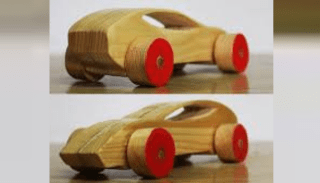
In a world increasingly filled with screens, blinking lights, and electronic sounds, a quiet and steadfast champion of the playroom is experiencing a remarkable renaissance. Glance into any modern nursery or browse the shelves of a curated toy store, and you will find it: the humble, beautiful toy wood car.
This isn’t the plastic, battery-operated vehicle of yesterday, but a thoughtfully crafted object of heirloom quality. In the United States, a growing movement of parents is consciously choosing toys made from natural materials, and the wooden car, in its beautiful simplicity, is leading the charge.
Why is this classic toy trending now? The answer lies in a collective shift towards mindfulness, sustainability, and developmental integrity in play. Parents are actively searching for montessori toys, waldorf toys, wooden cars for toddlers, and heirloom baby toys.
They are discovering that what truly captivates their children isn’t passive entertainment, but the opportunity for active, open-ended creation. People love the toy wood car because it represents more than just a vehicle; it represents durability, safety, and a timeless aesthetic that complements any home.
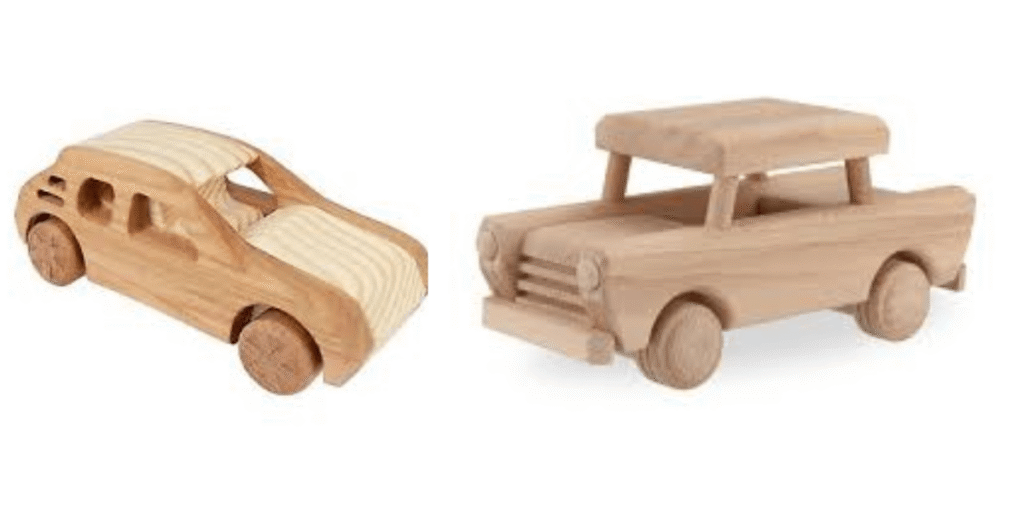
It’s a toy that doesn’t break, doesn’t require batteries, and never goes out of style. It invites a child not to watch, but to do—to push, to roll, to imagine, and to create stories that are entirely their own.
What Exactly is a Toy Wood Car? More Than Just a Vehicle
A toy wood car in its modern incarnation is a far cry from a simple, blocky shape. While classic designs are still beloved, today’s versions are masterpieces of minimalist design and thoughtful craftsmanship. At its core, it is a vehicle—a car, truck, train, or bus—sculpted from solid wood like beechwood, maple, or rubberwood, and almost always finished with smooth, rounded edges and non-toxic, water-based stains that highlight the natural grain.
Toy Wood Car is a cornerstone of the montessori toys and waldorf toys philosophies. It is the definition of an open-ended toy. Unlike a electronic car that drives itself and makes siren noises, a wooden car is a passive object. It does nothing until a child赋予它生命. It has no predetermined function.
Its purpose is determined entirely by the child’s imagination in that moment. It can be a race car speeding towards a finish line, a family sedan on a cross-country road trip, a delivery truck bringing groceries to a stuffed animal, or even a character in a larger narrative. This fundamental simplicity is its greatest strength, making it a powerful tool for development disguised as a simple plaything.
The Garage Collection: What Does This Toy World Consist Of?
Toy Wood Car universe of the toy wood car is rich and varied, offering a fleet of possibilities for every young enthusiast.
Core Components of a Wooden Car Collection:
- The Basic Cars and Trucks: This includes simple, smooth-rolling cars in various colors and shapes. Dump trucks with functional, hinged beds, fire engines, and tractors are perennial favorites.
- Wooden Railway Systems: Brands like Brio and Thomas & Friends (wooden versions) have made this a category of its own. This consists of wooden train sets with interlocking tracks, bridges, tunnels, and stations, encouraging complex spatial reasoning and problem-solving.
- Wooden Car Ramps: These are incredibly popular montessori toys for 1 year old. They are multi-leveled structures where a child can place a car at the top and watch, mesmerized, as it zig-zags, spirals, or rolls straight down, providing a clear and satisfying lesson in gravity, cause and effect, and physics.
- Accessories and Environments: To enrich the play, you can find wooden toy sets that include garages, traffic signs, trees, and wooden people. These elements transform simple car play into intricate small-world play, fostering narrative-building and social understanding.
- The Pull-Back Car: A classic variation, often featuring a simple pull-back mechanism that stores kinetic energy, allowing the car to zoom forward on its own.
The materials are consistently high-quality: solid Toy Wood Car, non-toxic finishes, and durable construction that can withstand years of vigorous play, making them a sustainable choice that can be passed down through siblings and generations.
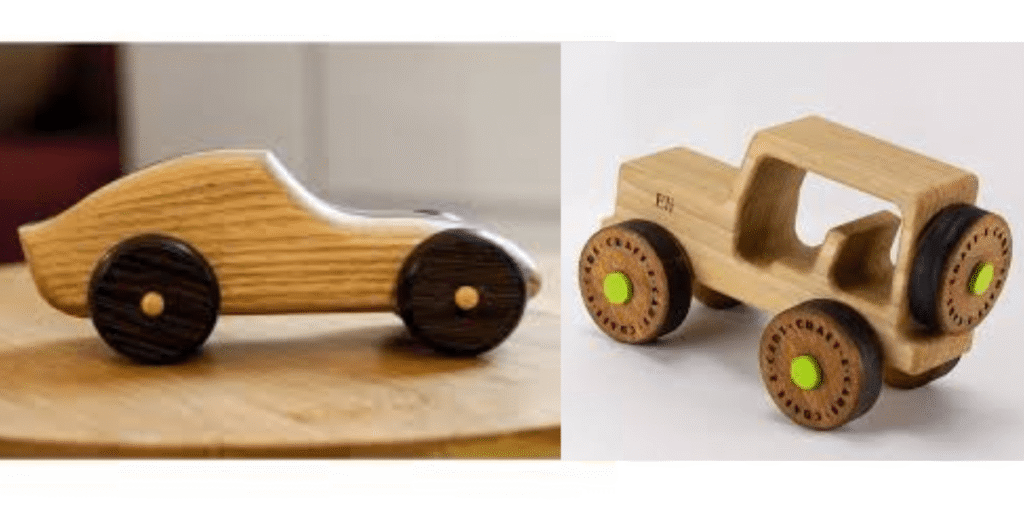
Fueling Imagination: How the Toy Wood Car Motivates and Entertains
The entertainment value of a Toy Wood Car is profound and multi-layered. It doesn’t entertain at the child; it invites the child to create their own entertainment.
For a young baby, the entertainment is deeply sensory. Toy Wood Car smooth, cool feel of the wood is soothing in their hands and safe for teething gums. The bright, non-toxic colors are visually stimulating. The weight of it feels substantial and real. The simple act of grasping it, rolling its wheels, and hearing the soft rumble-rumble as it moves across the floor is a complete sensory experience that is engaging without being overwhelming.
For a toddler, the car becomes a vessel for their burgeoning imagination and physicality. The motivation is intrinsic. They are driven by the desire to master their environment. Pushing a car back and forth helps them practice walking and crawling. The wooden car ramp motivates them to understand cause and effect—”If I place the car here, it will roll down there!” This is a powerful, self-driven experiment. There are no buttons to press for a reward; the reward is the visceral, real-world outcome of their actions.
For a preschooler, the wooden car becomes a central actor in complex stories. It motivates social and narrative play. A simple car can represent friendship, adventure, rescue, or competition. It helps them process the world around them, from a trip to the grocery store to a construction site they saw. This type of imaginative play is the bedrock of creativity, problem-solving, and emotional intelligence.
Building Neural Pathways: The Best Impact on a Baby’s Mind
Toy Wood Car impact of playing with a simple toy wood car is extensive, building critical cognitive and physical frameworks that last a lifetime.
Developing Fine and Gross Motor Skills
Toy Wood Car act of picking up a small car strengthens the pincer grasp. Pushing it across the room encourages gross motor development, coordination, and balance. Manipulating a car on a track or trying to park it in a specific spot requires precise hand-eye coordination, laying the groundwork for future skills like writing and using tools.
Fostering Problem-Solving and Spatial Awareness
When a child engages with a wooden railway set, they are essentially becoming a young engineer. They must figure out how the tracks connect, how to build a bridge that doesn’t collapse, and how to navigate their train around obstacles. This is hands-on problem-solving and spatial reasoning in its purest form. They learn about geometry, stability, and planning through direct, tactile experience.
Igniting Creativity and Symbolic Thinking
A wooden block is not a block; it is a garage. A line of pillows is not an obstacle; it is a mountain range. Toy Wood Car is the catalyst for this symbolic thinking, which is a cornerstone of abstract thought and creativity. Because the toy lacks detail, the child’s mind must fill in the gaps, creating a richer, more personal imaginative landscape than any pre-defined, electronic toy ever could.
Cultivating Concentration and Focus
In our distracted age, the ability to focus is a superpower. You will often see a child spend half an hour completely absorbed in rolling a single car up and down a ramp or creating an elaborate traffic jam. This deep, uninterrupted play is a form of meditation for the developing brain. It strengthens neural pathways associated with attention and perseverance, skills that are critical for academic and life success.
A Personal Journey: From the Playroom Floor
I remember the first wooden car we bought for my son. It was a simple, red one with smooth, rolling wheels. He was around nine months old, and his interaction with it was initially pure sensation—mouthing it, turning it over in his hands. But then, he discovered it could move. The first time he pushed it and it rolled away from him, his eyes widened with a mixture of surprise and delight. That was the beginning.
That one red car soon became a fleet. Toy Wood Car ramp became the centerpiece of our living room. I lost count of the afternoons spent watching him experiment—what happens if I send the blue truck down first? What if I put two cars on at the same time? There were no instructions, no right or wrong answers.
There was only discovery. Now, as a preschooler, those same cars are protagonists in epic adventures across couch cushions and under tables. They have been firefighters, explorers, and race car champions. That first red car, though slightly worn from love, is still in the mix, a testament to the durability and timeless appeal of a simple, well-made toy.
Finding Your Perfect Set: How to Get These Toys
Acquiring these beautiful toys is easier than ever, thanks to a growing appreciation for quality craftsmanship.
Where to Shop:
- Specialty Toy Retailers: Both online and brick-and-mortar stores that focus on educational and developmental Toy Wood Car are your best bet for high-quality, safe brands.
- Online Marketplaces: Websites like Amazon, Etsy, and Maisonette offer a vast selection. When shopping here, always read the reviews and verify the materials. Look for keywords like “solid wood” and “non-toxic.”
- Direct from Artisans: Etsy is a fantastic platform for finding handmade wooden cars from individual woodworkers, offering unique designs and heirloom quality.
When selecting a toy wood car, run your fingers over it. It should feel smooth and substantial, with no sharp edges or splinters. The wheels should spin freely, and any moving parts should be securely attached. Prioritize toys that use water-based, non-toxic finishes and that meet U.S. safety standards (look for ASTM F963 certification).
The Road Ahead: An Overview to Inspire
Choosing a toy wood car is not merely a purchase; it is an investment in your child’s development and a vote for a more thoughtful, sustainable way of living. You are choosing a toy that respects your child’s intelligence, that fuels their creativity rather than supplanting it, and that is built to last for generations. In a disposable world, you are providing something enduring.
This toy is a silent partner in the incredible journey of childhood. It is a tool for understanding physics, a catalyst for epic stories, and a companion in quiet concentration. It teaches more through simple, hands-on experience than a dozen “educational” apps ever could.
So, take the step. Clear a path on the floor. Introduce that first, beautifully simple wooden car into your child’s world. Watch as it becomes more than a toy—it becomes a key that unlocks their potential, one joyful, imaginative push at a time. You are not just buying a car; you are fueling a journey of a lifetime.
Frequently Asked Questions (FAQs)
1. What age is appropriate for a toy wood car?
They are suitable for a wide range, from 6 months up to 5+ years. For babies (6-12 months), they are sensory objects for grasping and mouthing. For toddlers (1-3 years), they are for pushing and simple pretend play. For preschoolers (3-5 years), they become integral to complex imaginative and constructive play.
2. Are wooden cars safe for teething babies?
Yes, high-quality Toy Wood Car made with smooth, sanded wood and non-toxic, saliva-resistant finishes are generally very safe for teething. Always supervise your baby and inspect the toy regularly for any signs of wear.
3. Why are Toy Wood Car often more expensive than plastic ones?
The cost reflects the quality of materials and craftsmanship. Solid wood, non-toxic finishes, and durable construction are more costly than mass-produced plastic. However, a wooden car is an investment that will last for years, often becoming an heirloom, whereas plastic toys frequently break and are discarded.
4. My wooden car seems plain. Won’t my child get bored?
Its “plainness” is its genius. Without predefined functions, it challenges your child’s imagination to bring it to life. A simpleToy Wood Car can be a hundred different things, while a highly specific plastic spaceship can only ever be a spaceship.
5. How do I clean a wooden toy car?
Wipe it with a damp cloth and a mild soap. Do not submerge it in water or put it in a dishwasher, as this can cause the wood to crack or splinter. Dry it immediately after cleaning.
6. Can these toys be used with Montessori philosophy?
Absolutely. They are a perfect fit. They are made from natural materials, are self-correcting (a car only rolls one way), foster independence in play, and are completely open-ended, allowing the child to lead.
7. What is the benefit of a wooden ramp?
A wooden ramp is a fantastic montessori toy for 1 year old that visually demonstrates cause and effect and basic principles of physics like gravity and momentum. It is mesmerizing for children and encourages repeated experimentation, building focus and scientific thinking.
8. Are the wheels securely attached?
Reputable brands ensure wheels are securely fastened with axles that are either press-fit or secured in a way that prevents them from becoming a choking hazard. Always check the product description and reviews for safety assurances.
9. My child has a lot of electronic toys. Will they like this?
There may be an adjustment period, as they are used to passive entertainment. The best approach is to get down on the floor and play with the wooden cars yourself. Children learn through imitation, and seeing you engaged in imaginative play will draw them in.
10. Is it worth buying a whole set, or should I start with one car?
Starting with one or two well-chosen vehicles is a perfect introduction. You can then expand based on your child’s interest. A simple car and a ramp provide endless entertainment. Sets are wonderful for gifting or for building a more diverse play world over time.